Category: Karachi Seasonal Pest Guide

How Karachi’s seasons — monsoon, summer heat, winter — affect pest activity. Timely advice on what to expect and how to prevent infestations before they start.

  • Karachi’s Eid Pest Surge: Why Cattle Markets and Slaughter Waste Attract Flies and Rodents

    Karachi’s Eid Pest Surge: Why Cattle Markets and Slaughter Waste Attract Flies and Rodents

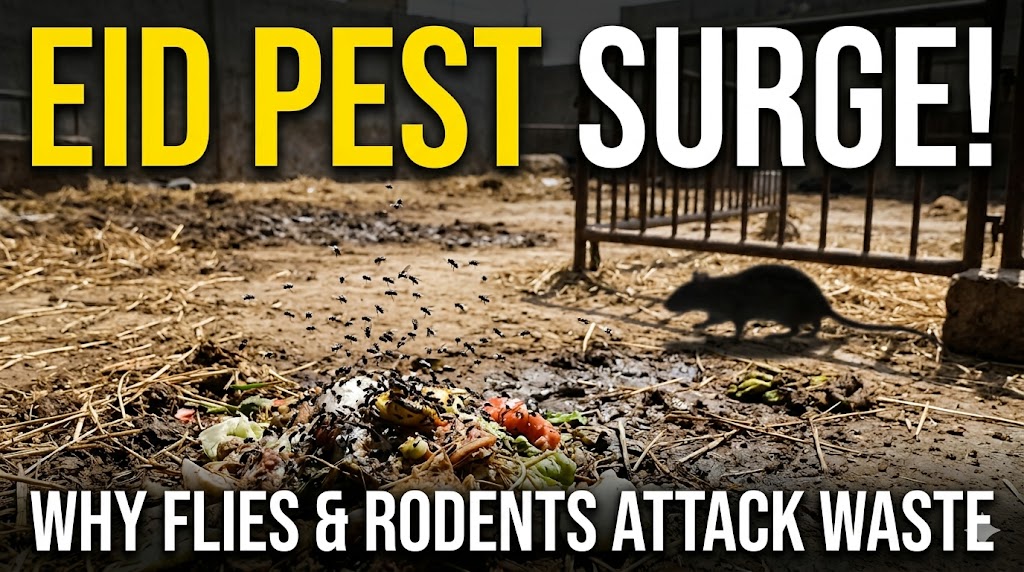
    In the days leading up to Eid-ul-Adha, Karachi transforms. Open plots, roadsides, and vacant land across the city fill with temporary cattle markets — mandis — where hundreds of thousands of animals are bought, sold, and kept for days before the holiday. Then, on the day of sacrifice and in the days that follow, the city generates an extraordinary volume of animal waste: blood, offal, bones, hides, and organic matter that exceeds the capacity of any regular waste collection system.

    For flies, rodents, and certain ant species, this period represents an annual feast. And because cattle markets and slaughter sites are often in or near residential areas, the pest surge doesn’t stay at the mandi — it spills into surrounding homes and businesses.

    Where Karachi’s Cattle Markets Operate

    Temporary cattle mandis during Eid-ul-Adha are found across Karachi, but they concentrate heavily in areas with available open land. The major market zones include areas in and around Malir, Korangi, and Landhi — three of the city’s most densely populated outer districts, where open plots and low-cost land make temporary market setup feasible.

    In Surjani Town and adjacent areas of northern Karachi, cattle markets also appear along roadsides and on government land. These markets generate significant quantities of animal waste — urine, dung, feed remnants, and mud — that accumulate over several days before the holiday.

    Why Blood and Offal Attract Flies at Scale

    House flies and blowflies (commonly called ‘green flies’ in Karachi) are drawn to organic matter, particularly protein-rich waste. Animal blood, offal, and intestinal contents are among the most potent attractants for these species. A single animal carcass left unmanaged can attract thousands of flies within hours.

    During Eid-ul-Adha, even households that manage their own slaughter waste carefully are affected by waste left by neighbors, on public roads, or near municipal drains. Flies do not respect property boundaries. A waste pile 200 meters away can generate a fly population that enters every home within that radius.

    Female flies lay eggs in batches of 100 to 150 on decaying organic matter, and under Karachi’s Eid-period temperatures — which typically range from 28°C to 35°C depending on the calendar year — larvae (maggots) can develop into adult flies in as little as 72 hours. The arithmetic is alarming: one day’s waste can produce a significant adult fly population within three days.

    The Rodent Surge: Following the Food

    Norway rats and black rats (roof rats) operate as opportunistic scavengers. They follow food sources — and the combination of animal waste, discarded meat, and reduced waste collection during Eid creates an abundant supply. Rodents that normally forage along drains, behind markets, and in rubbish areas move closer to residential buildings when large quantities of slaughter waste are available in open areas.

    The specific risk to homeowners near cattle market zones is that rodents establish new foraging routes during Eid that persist after the holiday. A rat that finds a route into your kitchen during Eid-ul-Adha does not leave voluntarily after the holiday — it has found a food source and will remain. Professional rats and rodent control service is particularly in demand in the two weeks following Eid in areas adjacent to cattle market zones.

    Ants: The Overlooked Eid Pest

    Meat-eating ant species, including trailing ants and fire ants, also surge after Eid. Blood splattered on outdoor surfaces during slaughter, fat remnants, and bone marrow draw ant colonies out of their underground nests in search of protein. Colonies that were previously foraging in your garden or on public ground can shift their trail lines directly into your home when protein-rich material is present.

    Post-Eid cleanup is critical for deterring ants, but if trails have already been established inside the building, professional ants control service in Karachi may be necessary to break foraging patterns and treat the colony. Bait-based ant treatments are particularly effective because workers carry the bait back to the queen — addressing the colony rather than just the visible ants.

    Fly Control: What Residents Can Do

    • Complete slaughter activities in one location and manage all waste immediately — do not leave blood or offal on the ground overnight
    • Sprinkle lime (chuna) on blood and organic waste on hard surfaces before hosing down
    • Place all slaughter waste in heavy-duty bags, tie them tightly, and arrange for immediate pickup or take them to municipal collection points
    • Keep all windows and doors screened or closed during peak fly activity (midday and afternoon)
    • Do not leave meat uncovered at any time — whether pre-slaughter or post-processing
    • Clean all outdoor surfaces — courtyard, roof, driveway — with disinfectant after slaughter

    Rodent-Proofing Your Home Before Eid

    • Inspect and seal all gaps at floor level around pipes and cable entries before the holiday
    • Ensure all food is stored in sealed containers during and after Eid, including meat in the refrigerator or freezer
    • Do not leave cooked meat or raw offal scraps in open bins — use sealed bags inside sealed bins
    • Check that drain covers and ventilation grilles are intact before the holiday period begins

    Why Professional Pest Control Is Essential Post-Eid

    The days immediately following Eid-ul-Adha are the highest-impact period for fly and rodent activity near cattle market zones in Karachi. For homes and businesses in affected areas, professional pest control treatment — fly space sprays, residual surface treatments, and rodent baiting programs — significantly reduces the time it takes to return pest populations to baseline.

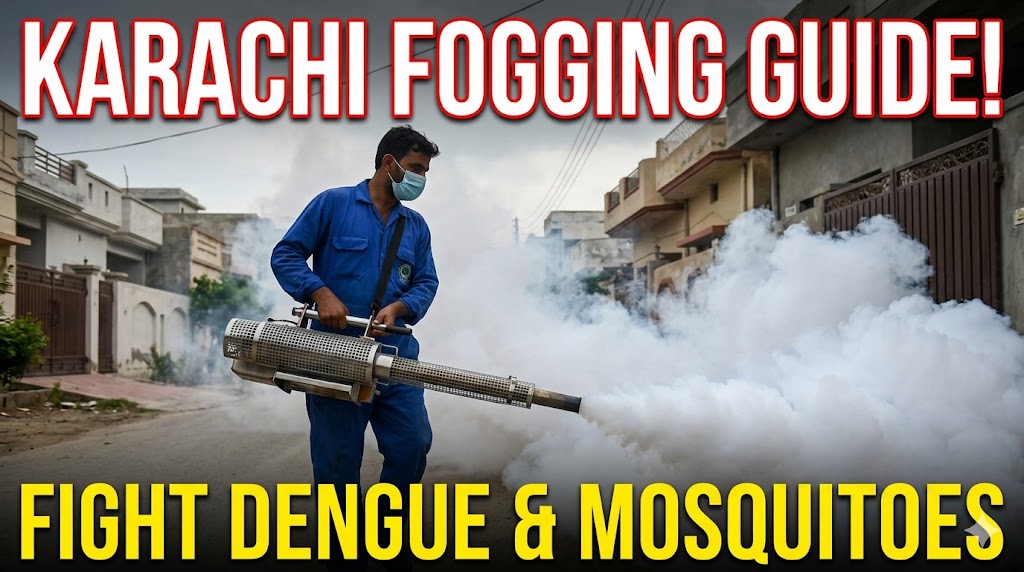
    Fogging for flies is particularly effective when done in the first 48 to 72 hours after Eid, targeting adult fly populations before they can lay a second generation of eggs. For rodent management, bait stations placed along known rodent travel routes around the building perimeter can intercept animals before they establish indoor entry points. To inquire about fly control treatment for your property, contact us via our contact page and we’ll advise on the right approach for your situation.

    Housing societies, restaurants, butchers, and cold storage facilities in affected areas of the city can also benefit from a pre-Eid and post-Eid treatment contract. Our about us page outlines our service philosophy, and our pest control license confirms our authorizations for commercial pest management.

    Clean Up Fast — Pests Move Faster

    The post-Eid pest surge in Karachi is predictable and preventable with the right preparation. The key is speed: flies and rodents establish themselves within 24 to 72 hours of a food source appearing. Rapid cleanup, sealing of entry points, and professional treatment in the first few days after the holiday can contain an infestation before it becomes a weeks-long problem.

    If you live or operate a business near a cattle market zone in Malir, Korangi, or Landhi, contact Accurate Fumigation before Eid to schedule a pre- and post-holiday treatment. Visit our contact page to make a booking and check our charges page for transparent pricing with no surprises.

  • Why Cockroaches Take Over Karachi Apartments in Summer (and How to Stop Them)

    Why Cockroaches Take Over Karachi Apartments in Summer (and How to Stop Them)

    Every May, as temperatures in Karachi push past 38°C and the air turns thick with humidity, something stirs inside apartment buildings across the city. Inside kitchen cabinets, behind refrigerators, and along wet bathroom pipes, cockroaches begin multiplying at a pace that catches most residents completely off guard. By the time you spot one scurrying under the stove, there are likely hundreds more hiding in the dark.

    Summer in Karachi is cockroach season — and for apartment dwellers, the problem is far worse than for those in independent houses. This guide explains why, and what you can actually do about it.

    Why Summer in Karachi Creates the Perfect Cockroach Environment

    Cockroaches are cold-blooded insects that become most active when temperatures stay consistently above 25°C. Karachi’s summer months — April through August — maintain heat levels that allow cockroach eggs to hatch up to twice as fast as they would in cooler conditions. Each egg capsule (called an ootheca) can contain 30 to 40 eggs, and a single female German cockroach can produce multiple capsules during her lifespan.

    What accelerates this further in Karachi is the combination of heat and moisture. Humidity from sea breezes, damp kitchens, and condensation on pipes provides cockroaches with the water they need to survive. Even a slow drip under your sink or a leaking pipe inside the wall is enough to sustain an entire colony.

    Why Apartment Buildings Are Especially Vulnerable

    If you live in a multi-story building in areas like DHA, Clifton, or Gulshan-e-Iqbal, you already know that pest problems rarely stay contained to one flat. Cockroaches travel freely through shared plumbing risers, electrical conduits, drainage pipes, and gaps around shared walls. Treating one apartment without treating the building means the infestation simply migrates and returns.

    Ground-floor units face particular risk due to their proximity to drains, rubbish disposal areas, and soil. Cockroaches enter through floor drains, gaps around utility pipes, and under doors. In densely packed residential towers — common across Federal B Area and Bahadurabad — a single infested unit on the ground floor can seed the entire block within weeks.

    Common Entry Points to Know

    Cockroaches don’t need large gaps to enter. Here are the primary entry routes in Karachi apartments:

    • Kitchen drains and U-traps — especially when water seals dry out during load-shedding
    • Shared plumbing walls between kitchens and bathrooms
    • Gaps around gas pipes, electrical conduits, and cable lines entering the flat
    • Beneath the front door and around window frames that haven’t been sealed
    • Grocery bags and cardboard boxes brought in from wholesale markets
    • Secondhand furniture and appliances

    Signs You Have a Cockroach Infestation

    Cockroaches are nocturnal and expert at hiding, which means an infestation can grow large before you realize it. Watch for these signs:

    • Cockroach droppings — small black or brown specks resembling ground pepper, found in drawers, along skirting boards, and inside cabinets
    • A musty, oily odor that’s particularly strong near the kitchen or bathroom
    • Egg cases (oothecae) — brown capsule-shaped objects stuck in hidden corners
    • Smear marks along walls and skirting boards near moisture sources
    • Seeing cockroaches during the day, which usually signals severe overcrowding in the colony

    DIY Prevention Steps That Actually Work

    Professional treatment is necessary to eliminate an existing infestation, but these steps help prevent one from taking hold:

    • Fix all leaking taps, pipes, and drainage connections without delay — cockroaches need water above all else
    • Keep kitchen bins sealed and empty them daily in summer
    • Store dry goods (flour, sugar, rice) in airtight containers rather than open bags
    • Pour water down all floor drains weekly to maintain the water seal that blocks cockroach entry
    • Seal gaps around pipes using waterproof silicone sealant
    • Clean behind and under the refrigerator and stove regularly — these warm, dark spaces are favored nesting zones
    • Do not leave dirty dishes in the sink overnight

    The Water Tank Connection

    One overlooked contributor to cockroach activity in Karachi apartments is the overhead or underground water tank. Poorly maintained tanks with cracks, uncovered openings, or algae buildup attract cockroaches looking for water sources. When tanks are left uncleaned for months, organic matter accumulates and creates a secondary harborage point that feeds cockroach activity throughout the building.

    If you haven’t had your water tank inspected recently, consider booking a water tank cleaning service alongside any pest control treatment. Clean tanks reduce moisture access points and also protect your family from contaminated water.

    Why Professional Cockroach Control Is Necessary

    DIY sprays from hardware stores in Karachi can kill the cockroaches you see but do nothing to the ones you don’t. In apartments, colonies nest inside wall cavities, false ceilings, and under flooring — areas that aerosol sprays cannot reach. Over-the-counter products also cause cockroaches to scatter deeper into the building, spreading the infestation further.

    Professional cockroach control service in Karachi uses gel bait treatments, residual sprays, and crack-and-crevice applications designed to reach hidden nesting sites. Gel baits are particularly effective because cockroaches carry the bait back to their colonies, eliminating populations that never come into contact with the treatment directly. A licensed pest control provider can also identify structural entry points specific to your building type and advise on a treatment schedule that accounts for Karachi’s seasonal pest pressure.

    For apartment building management committees considering a building-wide approach, coordinated treatment across all units and common areas is far more effective than individual flat treatments. Check our pest control license and learn more about our team on the about us page.

    Take Action Before Summer Peaks

    Cockroach populations grow fastest between May and August in Karachi. Acting before the peak — or at the very first sign of activity — significantly reduces the scale of treatment required and the cost involved.

    Contact Accurate Fumigation to book a cockroach control inspection for your apartment or building. Visit our contact page to reach us directly, and review our service charges for transparent, upfront pricing with no hidden fees.

  • Karachi Monsoon Pest Guide: Common Pest Problems During Rainy Season and How to Prevent Them

    Karachi Monsoon Pest Guide: Common Pest Problems During Rainy Season and How to Prevent Them

    Karachi’s monsoon season brings welcome relief from extreme summer temperatures, but it also creates ideal conditions for many household pests. Increased moisture, standing water, clogged drains, and damp environments encourage insects and rodents to become more active. As a result, many homeowners notice a sudden increase in cockroaches, mosquitoes, termites, ants, rats, fleas, and other pests during and after rainfall.

    Understanding why pest activity increases during the monsoon can help you take preventive measures before a minor issue turns into a costly infestation.

    Why Monsoon Season Causes Pest Problems in Karachi

    Heavy rains disrupt the natural habitats of many pests. Flooded burrows, waterlogged soil, and overflowing drains force insects and rodents to seek shelter indoors. At the same time, increased humidity creates favorable breeding conditions for pests that thrive in warm, moist environments.

    Common monsoon-related pest issues include:

    • Cockroach infestations
    • Termite activity
    • Rat and mouse invasions
    • Ant infestations
    • Fleas and ticks
    • Mosquito breeding
    • Water contamination risks

    Areas with poor drainage, older buildings, and nearby vacant plots are often more vulnerable to seasonal pest problems.

    Cockroaches: Karachi’s Most Common Monsoon Pest

    Cockroaches become significantly more active during rainy weather. As sewer systems fill with water, cockroaches migrate into homes, offices, restaurants, and commercial buildings in search of food and shelter.

    Signs of a Cockroach Infestation

    • Cockroaches visible at night
    • Droppings resembling black pepper
    • Musty odors
    • Egg cases in cabinets or storage areas
    • Increased activity near drains

    Cockroaches are not just unpleasant; they can spread bacteria and contaminate food preparation surfaces.

    If you’re experiencing recurring infestations, professional Cockroach Control Services in Karachi can eliminate hidden nesting areas and breeding sites.

    Rats and Mice Move Indoors During Heavy Rain

    One of the most common complaints during Karachi’s monsoon season is increased rodent activity. Flooded drainage systems and underground burrows force rats and mice into buildings where they seek shelter, warmth, and food.

    Common Warning Signs

    • Scratching sounds in ceilings or walls
    • Rodent droppings
    • Chewed electrical wires
    • Damaged food packaging
    • Unpleasant odors

    Rodents can cause expensive property damage and pose serious health risks through contamination.

    For severe infestations, professional Rat Control Services are often the safest and most effective solution.

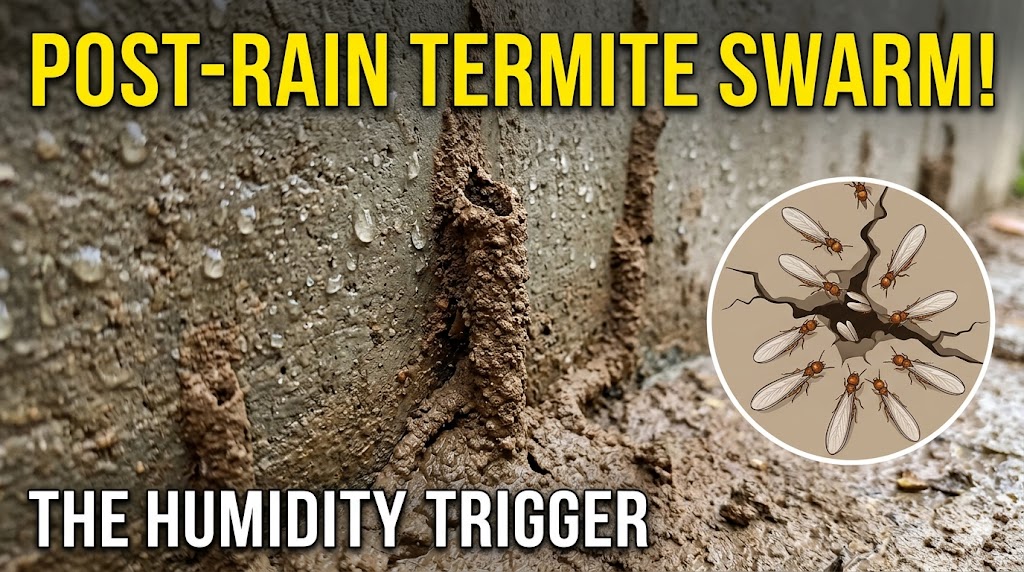
    Monsoon Moisture Can Trigger Termite Activity

    Many people mistakenly believe termites only become active during hot weather. In reality, moisture created by rain can make conditions ideal for termite colonies.

    When soil becomes damp, subterranean termites can expand their tunnels and access structures more easily.

    Signs You May Have Termites

    • Mud tubes on walls
    • Hollow-sounding wood
    • Damaged wooden furniture
    • Discarded wings near windows
    • Cracked paint resembling water damage

    Because termite damage often remains hidden for years, early detection is critical.

    Property owners should consider regular inspections and, when necessary, professional Termite Control Services in Karachi.

    Ant Infestations Increase After Rainfall

    Heavy rain often destroys outdoor ant colonies, forcing ants to relocate. This frequently results in long trails of ants entering kitchens, bathrooms, and storage areas.

    Ants are particularly attracted to:

    • Sugar
    • Food crumbs
    • Pet food
    • Water sources

    While over-the-counter sprays may kill visible ants, they rarely eliminate the entire colony.

    For recurring infestations, professional Ant Control Services can target the source of the problem.

    Fleas and Ticks Thrive in Humid Conditions

    Humidity levels rise considerably during Karachi’s rainy season, creating ideal breeding conditions for fleas and ticks.

    Homes with pets are especially vulnerable.

    Common Signs

    • Pets scratching excessively
    • Small bites on ankles and legs
    • Fleas visible in carpets or bedding
    • Tick attachment on pets

    Because eggs and larvae often remain hidden, professional treatment is usually necessary for complete elimination.

    Learn more about our Flea and Tick Control Services.

    Water Tank Hygiene Becomes More Important During Monsoon

    Rainwater, dust, and environmental contaminants can affect water quality, particularly when tanks are not properly maintained.

    Signs your water tank may require cleaning include:

    • Unpleasant odors
    • Visible sediment
    • Discolored water
    • Algae growth
    • Increased insect activity around tank openings

    Regular maintenance helps ensure safe water for your family and business.

    You can schedule professional Water Tank Cleaning Services in Karachi to maintain hygiene standards.

    Areas of Karachi Most Vulnerable During Monsoon

    Certain areas experience greater pest pressure because of population density, drainage issues, and environmental conditions.

    Commonly affected areas include:

    • DHA
    • Clifton
    • Gulshan-e-Iqbal
    • Gulistan-e-Jauhar
    • PECHS
    • Shahrah-e-Faisal
    • Nazimabad
    • North Nazimabad
    • Korangi
    • Landhi
    • Malir

    Residents can find area-specific assistance through our Karachi service locations:

    Fumigation Services Across Karachi

    7 Monsoon Pest Prevention Tips

    1. Eliminate Standing Water

    Remove water from pots, buckets, and outdoor containers to reduce mosquito breeding.

    2. Repair Water Leaks

    Leaking pipes and taps create ideal conditions for termites and cockroaches.

    3. Seal Entry Points

    Close gaps around doors, windows, utility lines, and drainage pipes.

    4. Store Food Properly

    Use airtight containers to reduce attraction for ants, cockroaches, and rodents.

    5. Keep Drains Clean

    Blocked drains often become breeding grounds for pests.

    6. Dispose of Garbage Daily

    Overflowing trash attracts rodents and insects.

    7. Schedule Preventive Pest Inspections

    Professional inspections can identify problems before infestations become severe.

    When Should You Call a Professional Pest Control Company?

    You should seek professional assistance if:

    • You repeatedly see pests despite DIY treatments.
    • Rodents are present.
    • You discover termite activity.
    • Cockroaches continue returning.
    • Bed bugs, fleas, or ticks become noticeable.
    • Pest activity is affecting your home, office, restaurant, warehouse, or commercial facility.

    Professional treatments address not only visible pests but also hidden nests, breeding areas, and entry points.

    Conclusion

    Monsoon season creates ideal conditions for many of Karachi’s most troublesome pests. While some increase in pest activity is normal during rainy weather, recurring infestations should never be ignored. Early intervention can save homeowners and businesses from costly repairs, contamination issues, and health risks.

    By maintaining cleanliness, controlling moisture, sealing entry points, and scheduling preventive inspections, Karachi residents can significantly reduce their risk of pest infestations throughout the rainy season.